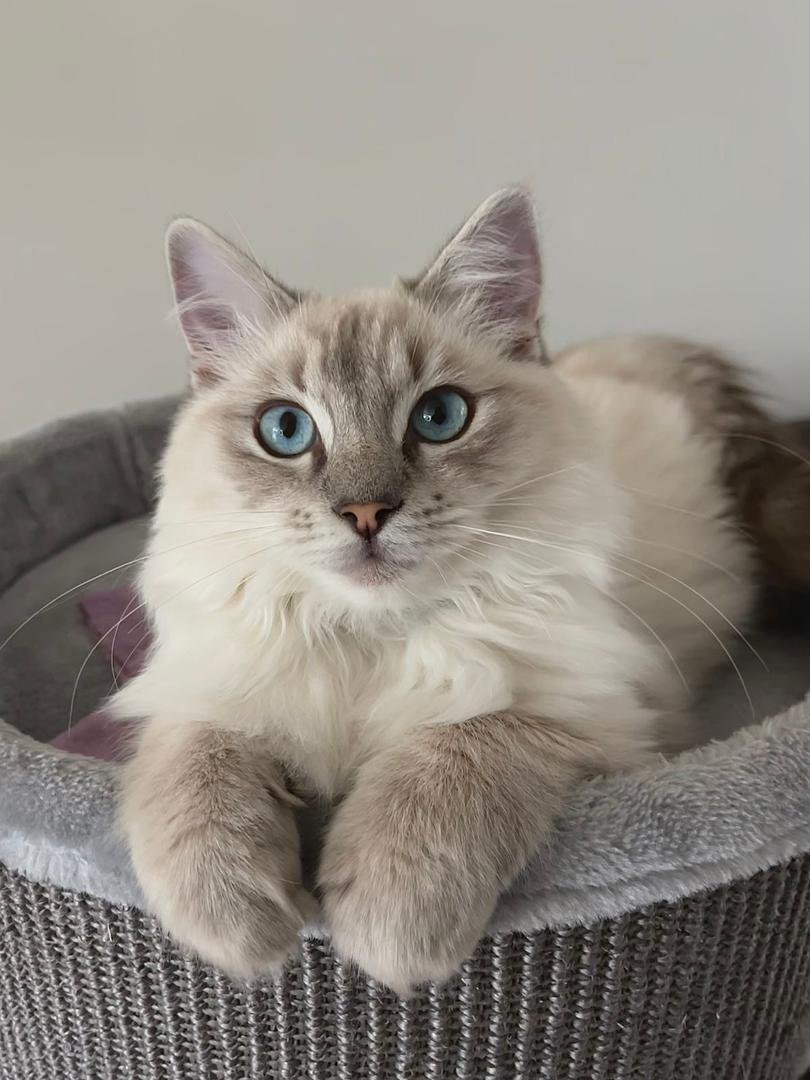
A Living Legend from the Siberian Wilderness
The Siberian cat is one of the oldest natural cat breeds in the world, with a history stretching back over a thousand years in the vast forests of Russia. These magnificent felines developed naturally in the harsh Siberian climate, evolving a thick, water-resistant triple coat that protected them from temperatures dropping to -40 degrees. They weren't bred by humans – Mother Nature designed them for survival, and boy, did she do an incredible job.
Russian fairy tales and folklore are filled with references to large, fluffy forest cats that befriended villagers and protected farms from rodents. These were the ancestors of today's Siberian cats. They were so beloved in Russia that they became the country's national cat – and honestly, once you meet one, you'll understand why.
The breed remained relatively unknown outside Russia until the late 1980s when the Iron Curtain fell. The first Siberians arrived in the United States in 1990, and cat lovers immediately fell in love. TICA (The International Cat Association) officially recognized the breed in 1996, and they've been winning hearts ever since.
The Hypoallergenic Truth: What Science Actually Says
Let's address the elephant in the room – or rather, the cat in the room that doesn't make you sneeze. Siberian cats have earned a reputation for being "hypoallergenic," but what does that actually mean? Here's the science behind the magic.
Cat allergies are primarily triggered by a protein called Fel d 1, which is produced in cats' saliva, skin glands, and sebaceous glands. When cats groom themselves, this protein spreads to their fur and then becomes airborne as dander. Most cats produce this protein in similar amounts, but Siberians are different.
Multiple studies have shown that Siberian cats produce significantly lower levels of Fel d 1 compared to other breeds. While the exact reduction varies (some studies suggest 50% less, others up to 90% less in certain individuals), the practical result is that many people with cat allergies can tolerate Siberians when they couldn't live with other cats.
Important Note About Allergies
No cat is 100% hypoallergenic. We always recommend spending time with adult Siberians before committing to adoption if you have allergies. Mark, my husband, was severely allergic to cats before we discovered Siberians – now we have eight! But everyone's sensitivity is different, and we want you to make an informed decision.
Female and neutered male Siberians typically produce even less Fel d 1 than intact males. Kittens may trigger fewer allergic reactions than adults simply because they're smaller and produce less of everything. We're happy to let prospective adopters visit our cattery to test their allergic response before making any commitments.
Personality: The Dog in Cat's Clothing
If you've ever wished you could have a dog's personality in a cat's body, congratulations – you've just described a Siberian. These cats are often called "dog-like" because of their loyal, affectionate, and playful nature. They'll follow you from room to room, greet you at the door when you come home, and may even learn to play fetch (all of our cats do!).
Siberians are extraordinarily intelligent. They figure out how to open doors, solve puzzle feeders, and seem to understand human speech far better than they should. Our male Boris once learned to open the pantry door to get to his treats – we had to install child locks. They're problem-solvers by nature, a trait that likely developed from centuries of surviving in the Russian wilderness.
Social Butterflies of the Cat World
Unlike some cat breeds that are content to be aloof, Siberians thrive on human interaction. They want to be involved in whatever you're doing. Working from home? Expect a fluffy supervisor on your desk. Cooking dinner? Your Siberian will be right there, offering moral support (and hoping for scraps). Taking a bath? Don't be surprised if they hop on the edge of the tub – many Siberians actually like water!
This social nature makes them excellent family cats. They get along wonderfully with children, often displaying remarkable patience with little ones who haven't quite mastered "gentle petting" yet. They also tend to coexist peacefully with other pets, including dogs. Our Siberians and our golden retriever Max are best friends – they groom each other, nap together, and even share toys.
Playful Well Into Adulthood
While many cats become couch potatoes as they age, Siberians maintain their kitten-like playfulness throughout their lives. A seven-year-old Siberian will still chase toys, jump to impressive heights, and zoom around the house during their evening "crazy hour." This playfulness makes them entertaining companions, but it also means they need adequate stimulation – interactive toys, cat trees, and regular play sessions are essential.
Physical Characteristics: Built for the Russian Winter
Siberians are medium to large cats, with males typically weighing 15-20 pounds and females 10-15 pounds. Despite their size, they're remarkably agile – don't let that fluff fool you. Under all that fur is a muscular, athletic body capable of impressive feats of jumping and climbing.
Their most distinctive feature is their magnificent triple coat. The outer guard hairs are water-resistant (seriously, try giving one a bath), the middle layer provides insulation, and the soft undercoat keeps them warm. This coat does require regular grooming, especially during shedding seasons in spring and fall, but it's surprisingly manageable compared to other long-haired breeds.
Siberians come in virtually every color and pattern imaginable – brown tabby, silver, golden, colorpoint (called "Neva Masquerade"), solid colors, and more. Their large, expressive eyes can be green, gold, copper, or blue (in colorpoints). Every Siberian is unique, but they all share that distinctive sweet, gentle expression.
Health and Longevity
As a natural breed that evolved without much human intervention, Siberians tend to be robust and healthy. They have a relatively long lifespan for a large cat breed, typically living 12-15 years, with many reaching their late teens.
The main health concern to be aware of is Hypertrophic Cardiomyopathy (HCM), a heart condition that can affect any cat breed. Responsible breeders (like us!) have all breeding cats screened annually by a board-certified cardiologist. We work with Dr. Sarah Mitchell here in Austin, and all our cats have clean heart scans on file.
Siberians are not prone to many of the genetic issues that plague some purebred cats. Their genetic diversity, maintained through centuries of natural breeding, has kept the breed pool healthy. Still, we recommend regular vet check-ups and keeping your Siberian at a healthy weight – those big boys can get chunky if you're not careful with the treats!
Care Requirements: Easier Than You'd Think
Grooming
Despite that luxurious coat, Siberians are surprisingly low-maintenance. Weekly brushing is usually sufficient, though you'll want to increase to daily during shedding seasons. Their fur doesn't mat as easily as Persian or Maine Coon coats, thanks to its unique texture. A good slicker brush and a wide-toothed comb are your best friends.
Nutrition
We feed our cats a combination of high-quality kibble (Royal Canin) and raw food rotation. Siberians do well on most premium cat foods, but we recommend avoiding grain-heavy or filler-laden options. These are athletes, and they need proper fuel! Fresh water should always be available – many Siberians prefer running water, so a cat fountain can be a great investment.
Exercise and Enrichment
These active cats need space to run, climb, and play. Cat trees are essential – the taller, the better. Interactive toys, puzzle feeders, and regular play sessions with their humans keep Siberians mentally stimulated and physically fit. A bored Siberian may find their own entertainment, and you might not like what they choose!
Is a Siberian Right for You?
Siberians are ideal for families who want an affectionate, interactive companion. They're perfect for people with mild to moderate cat allergies who thought they'd never be able to own a cat. They thrive in homes where they'll receive plenty of attention and playtime.
They may not be the best choice for those who want an independent, low-maintenance cat who's content to be left alone for long periods. Siberians are social creatures who form strong bonds with their families – they need and deserve your time and attention.
If you're looking for a loyal, loving companion who'll greet you at the door, cuddle with you on the couch, and make you laugh with their antics, a Siberian might just be your perfect match. And if you happen to have allergies? Well, that's just the icing on the hypoallergenic cake.