Are Siberian Cats Truly Hypoallergenic?
The honest answer about Fel d 1, what the science says, and how to test before you commit.
Read article →Real, breeder-written articles from our cattery in Galveston, Texas. No fluff, just what we've learned from a decade with these cats.
Are Siberian kittens good for families in Texas? After more than a decade of placing kittens with families across Houston, Dallas, Austin, San Antonio, and Galveston, our answer is a confident yes. The articles below answer the questions we hear most from Texas families considering a Siberian, from allergies and apartment life to feeding, grooming, and choosing the right breeder.
Siberians are calm, social, dog-like cats that handle small spaces beautifully. Why families love Siberian kittens: they're patient with toddlers, gentle with babies, and bond with the whole household, not just one person. If you're asking "are Siberian cats safe for babies?", the answer is yes when properly socialized, which is exactly how we raise every SiberianSnow kitten.
Are Siberian cats really hypoallergenic? Siberians produce significantly lower levels of the Fel d 1 protein than most breeds, which is why they top almost every list of the best cats for people with allergies in Texas. Many cat-allergic families tolerate them when no other breed has worked. Our hypoallergenic kittens for sale in Texas guide walks through how to test before you commit.
Loyal, vocal, intelligent, playful into adulthood. Siberian kittens fetch, follow you room to room, and adore water. Indoor vs outdoor Siberian cats in Texas isn't a real debate, our heat, predators, and traffic make indoor-only the only safe choice, and Siberians thrive as indoor companions when given climbing space and one or two interactive play sessions a day.
For many Texas families, yes. We always recommend an in-person allergy test with one of our adult cats before reservation, that way you know before you commit. It's the single most important step in our adoption process, and the reason our placements stick: families who test first don't return their kittens.
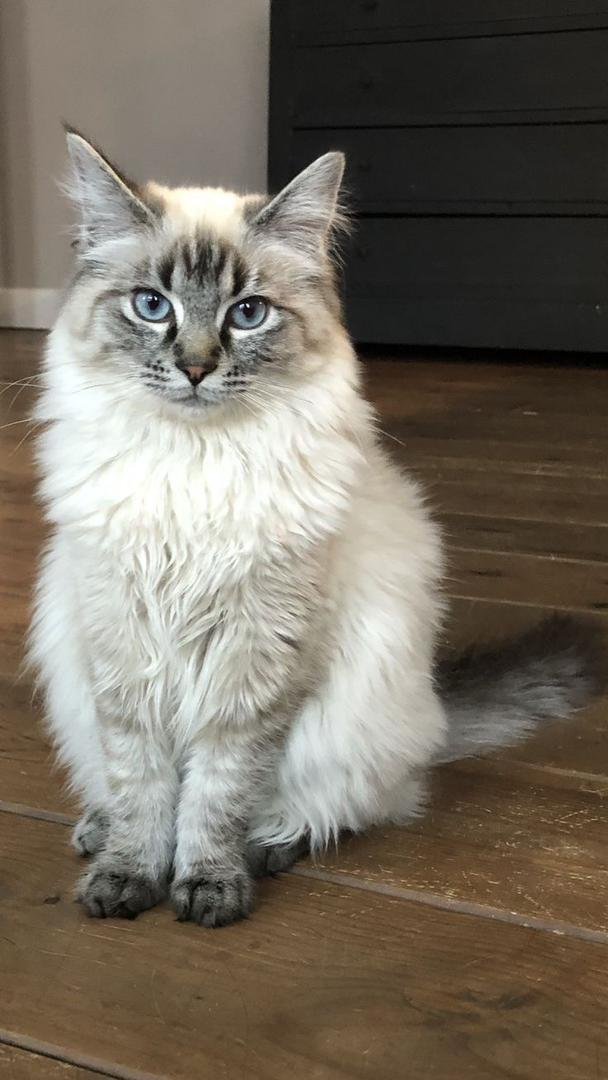
The honest answer about Fel d 1, what the science says, and how to test before you commit.
Read article →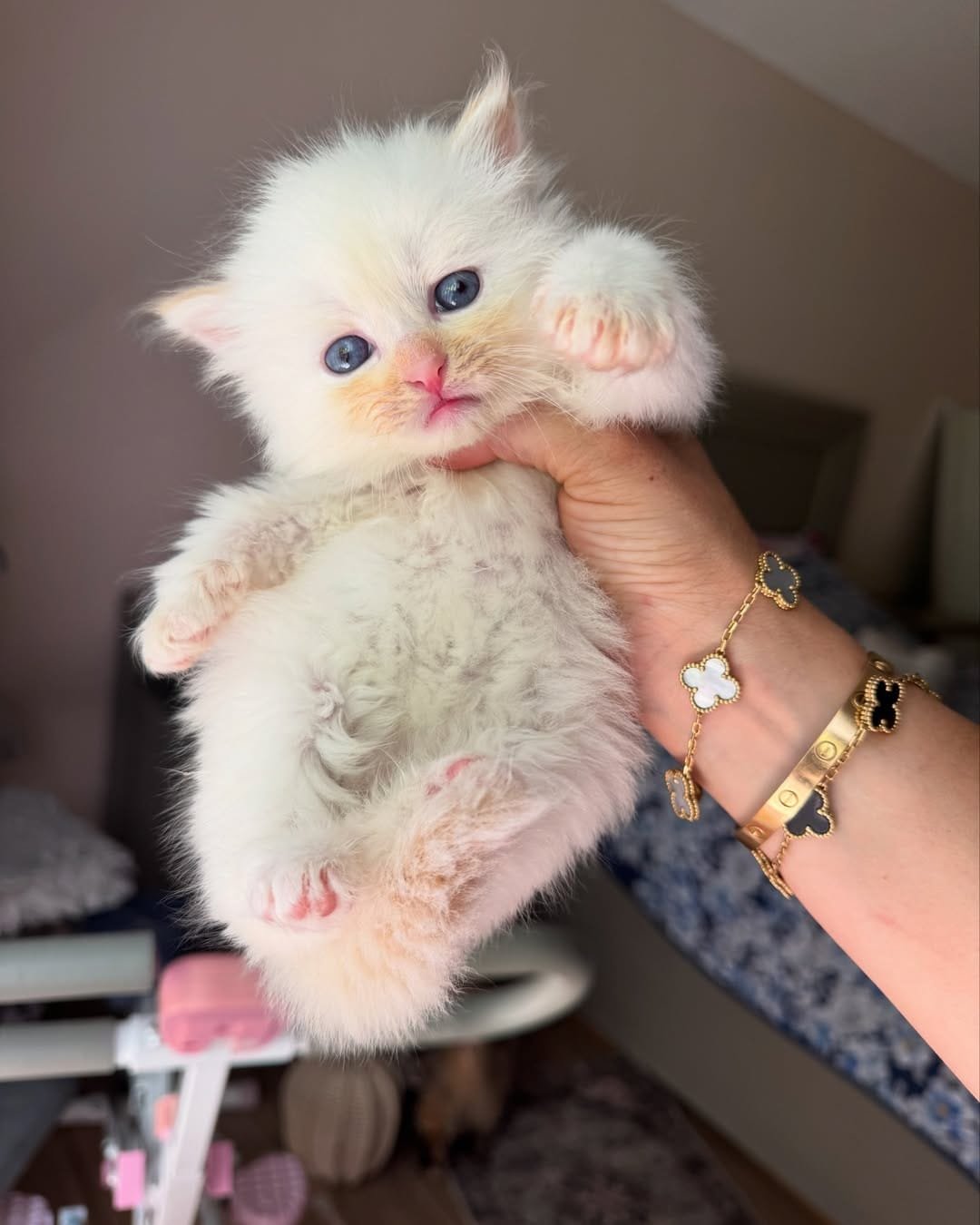
Dog-like personality, gentle with kids, calm in chaos, here's what we see day to day.
Read article →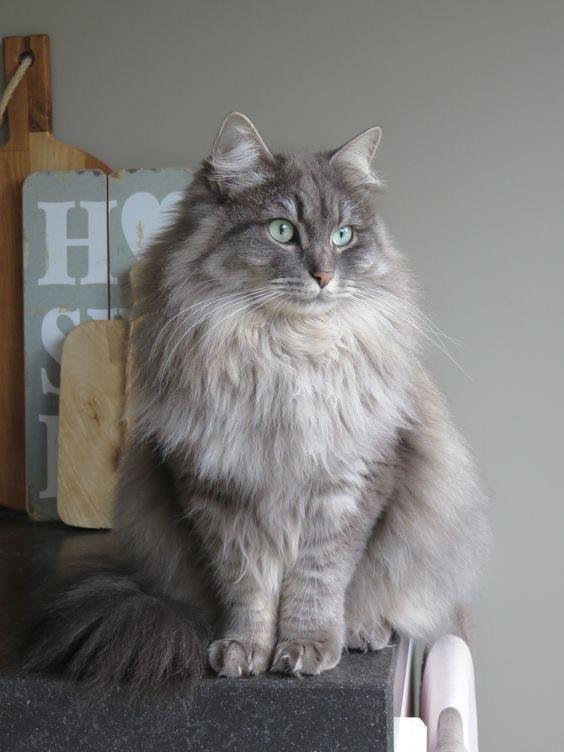
The first 30 days at home, what to buy, common surprises, and how to set the cat up to thrive.
Read article →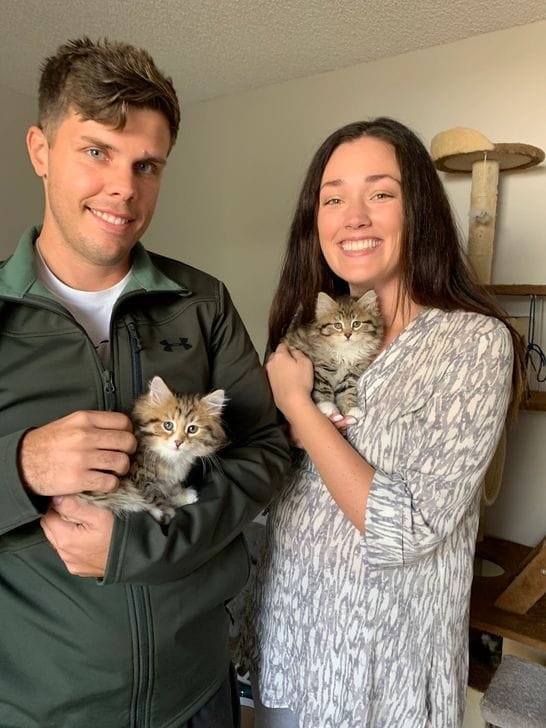
The two tools you actually need, the weekly routine, and the truth about coat blow.
Read article →Thinking about adoption? Here's a quick orientation that complements the articles above, the things to know before buying a Siberian kitten, and how to actually find a reputable Siberian cat breeder in Texas in 2026.
How to buy a Siberian kitten in Texas the right way: contact the breeder, ask about TICA registration and health testing, schedule an allergy visit if needed, place a deposit on a specific kitten, then arrange Galveston pickup or in-cabin flight nanny delivery. Things to know before buying a Siberian kitten: they bond hard, they're vocal, and they need company, plan for that.
How much do Siberian kittens cost in Texas in 2026? A well-bred, TICA-registered, health-tested Siberian from a Texas cattery typically runs in the mid-to-upper four figures depending on bloodline, color, and whether the kitten is pet, breeder, or show quality. Cheap "Siberians" online are almost always domestic longhairs, ask for paperwork.
Where to find Siberian kittens for sale in Texas: start with TICA's breeder directory, then visit each cattery's site and look for litter announcements, health guarantees, and real photos of the parents. Finding Siberian kittens near you in Texas is easiest from established catteries that ship to Houston, Dallas, Austin, and San Antonio, like ours in Galveston.
How to choose a Siberian cat breeder in Texas: TICA registration, written health guarantee, in-home raising (not garage or barn), willingness to let you visit or video call, and proof of HCM and PKD screening on the parents. The best Siberian breeders in Texas in 2026 will answer every question, and ask plenty of their own about you.
How to care for a Siberian kitten in Texas climate: keep them indoor only, run AC in summer (Siberians have a triple coat), and brush twice a week during spring coat blow. What do Siberian kittens eat? High-quality kitten food, wet and dry, plus fresh water in multiple stations, they love to drink. Grooming tips for Siberian cats: a steel comb plus a slicker brush is all you really need.
Our Siberian kittens in Houston Texas guide and Siberian kittens in Dallas Texas what to know notes are inside each city's landing page, including airport meetup details for IAH, HOU, DFW, AUS, and SAT. We also serve smaller Texas cities by flight nanny, all from our Galveston home.