Do you sneeze around cats but still dream of bringing one home? You're not alone, and the good news is that Siberian cats are widely considered one of the most hypoallergenic cat breeds available. That's why so many allergy-sensitive families search for Siberian kittens for sale when they want a real, affectionate cat without constant flare-ups.
No cat is 100% hypoallergenic. But Siberians produce significantly lower levels of the Fel d 1 protein, the main trigger behind most cat allergies. For mild and moderate allergy sufferers, that difference is often life-changing.
This guide explains the science, gives you a clear allergen-management plan, and shows you what to look for when you decide to buy a Siberian kitten from a TICA-registered breeder. If you're ready to skip ahead, our available Siberian kittens page lists the litters we currently have ready for adoption.
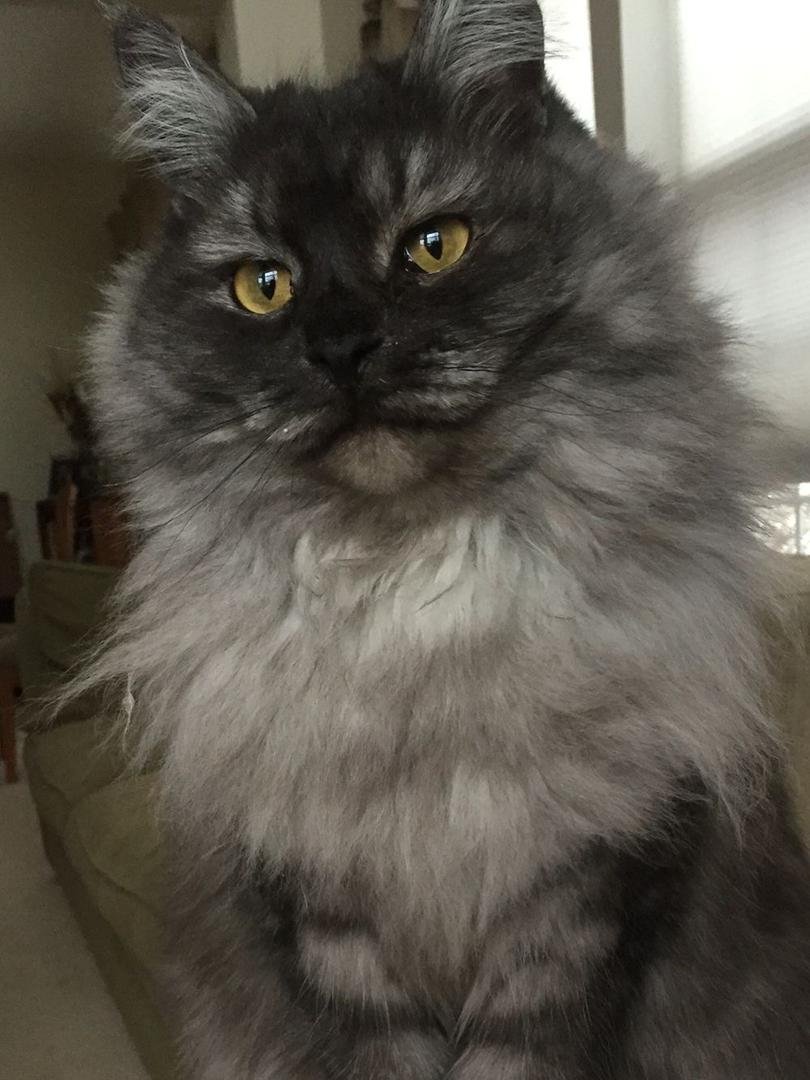
Understanding Cat Allergies: The Science Behind the Sneezes
What Causes Cat Allergies?
Before we dive into why Siberians are hypoallergenic, it's important to understand what actually causes cat allergies. Contrary to popular belief, cat fur itself isn't the culprit. The real troublemaker is a protein called Fel d 1 (Felis domesticus allergen 1), which is primarily found in:
- Cat saliva, produced in the salivary glands and spread during grooming
- Sebaceous glands, located in the skin, producing oils that contain the protein
- Urine, contains lower levels but still contributes to allergen exposure
- Dander, tiny flakes of dead skin that become airborne and spread throughout your home
When cats groom themselves, they spread saliva containing Fel d 1 across their fur. As the saliva dries, microscopic particles become airborne and can trigger allergic reactions in sensitive individuals. These particles are incredibly small and lightweight, allowing them to remain suspended in the air for hours and easily penetrate deep into the respiratory system.
Common Symptoms of Cat Allergies
| Symptom Category | Common Reactions | Severity Level |
|---|---|---|
| Respiratory | Sneezing, coughing, wheezing, shortness of breath | Mild to Severe |
| Nasal | Runny or stuffy nose, postnasal drip, sinus pressure | Mild to Moderate |
| Eye-Related | Itchy, red, watery eyes, swelling around eyes | Mild to Moderate |
| Skin | Hives, rashes, eczema flare-ups, itching | Mild to Moderate |
| Asthma-Related | Chest tightness, difficulty breathing, asthma attacks | Moderate to Severe |
According to the Asthma and Allergy Foundation of America, approximately 10,20% of the global population is allergic to cats, making it one of the most common allergies worldwide. The severity of reactions varies greatly from person to person.
Why Siberian Cats Are Considered Hypoallergenic
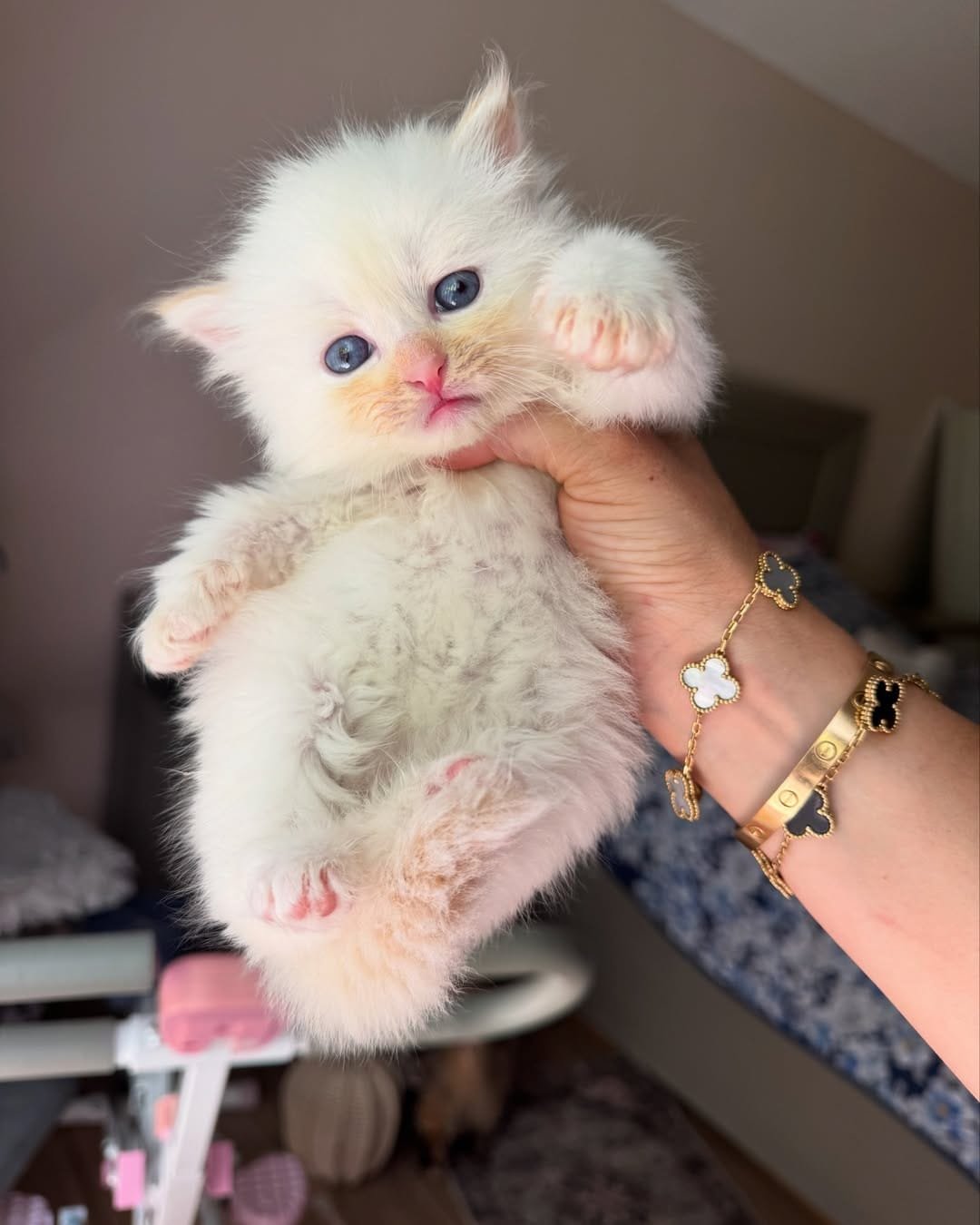
Lower Fel d 1 Protein Production
The primary reason Siberian cats are considered hypoallergenic is their naturally lower production of the Fel d 1 protein. While all cats produce this allergen to some degree, multiple independent studies have shown Siberians produce significantly less than the average cat, with some individuals producing up to 50% lower levels.
For many people with mild to moderate cat allergies, this reduction is enough to live comfortably with a Siberian without experiencing severe symptoms.
Triple Coat Benefits
Siberians have a unique triple coat consisting of a long guard layer, a middle awn layer, and a soft, dense undercoat. This distinctive coat structure offers several advantages for allergy sufferers:
- Allergen containment: the dense undercoat traps loose hair and dander, preventing it from becoming airborne as easily
- Reduced shedding outside seasonal molts: outside of spring and fall blowouts, daily shedding is moderate
- Naturally clean: the water-resistant outer layer needs less bathing than many other breeds
- Slower allergen dispersal: the coat's structure slows the release of saliva-coated dander into the environment
Scientific Evidence
| Study Focus | Key Findings | Implications |
|---|---|---|
| Fel d 1 Levels | Siberians often produce 20,50% less Fel d 1 than the average cat | Significantly reduced reactions in sensitive individuals |
| Allergen Distribution | Triple coat traps allergens more effectively | Fewer airborne allergen particles in the home |
| Saliva Composition | Lower protein concentration in saliva | Reduced allergen transfer during grooming |
| Breed Variation | Some Siberian lines are tested for low Fel d 1 | Reputable breeders can match low-allergen kittens to allergic families |
Comparing Siberians to Other Hypoallergenic Cat Breeds
While Siberians are excellent for allergy sufferers, they're not the only breed with hypoallergenic qualities. Here's how they compare to other popular breeds:
| Breed | Fel d 1 Production | Grooming Needs | Temperament | Best For |
|---|---|---|---|---|
| Siberian | Low | Moderate (2,3Ã, weekly brushing) | Affectionate, playful, confident | Active families, multi-pet homes |
| Russian Blue | Very Low | Low (weekly brushing) | Gentle, loyal, quiet | Quiet homes, first-time owners |
| Balinese | Low | Moderate (weekly brushing) | Vocal, intelligent, active | Interactive owners |
| Bengal | Low to Moderate | Low | Energetic, demanding | Active households |
| Sphynx | Low (but requires bathing) | High (weekly baths) | Affectionate, attention-seeking | Dedicated owners, warm climates |
| Devon Rex | Low to Moderate | Low | Playful, mischievous, social | Apartment living |
Why Choose a Siberian Over Other Hypoallergenic Breeds?
- Family-friendly temperament: warm, dog-like, and excellent with children
- Robust health: a natural breed with a long life expectancy of 12,18 years
- Adaptable: thrives in apartments and houses alike
- Stunning appearance: the magnificent triple coat in a wide range of colors and patterns
- Affectionate without being needy: Siberians follow you around, then quietly rest near your feet
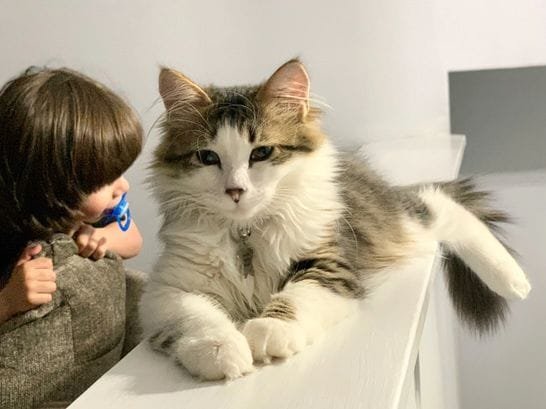
Practical Tips for Managing Allergies with a Siberian
Even with a hypoallergenic breed like the Siberian, it's important to take proactive steps to minimize allergen exposure and manage symptoms effectively. Here are comprehensive strategies to help you live comfortably with your Siberian companion.
Home Environment Management
| Strategy | Implementation | Effectiveness |
|---|---|---|
| HEPA Air Purifiers | Place in main living areas and bedroom; run continuously | High, removes 99.97% of airborne allergens |
| Regular Vacuuming | Use a HEPA-filter vacuum 2,3 times weekly | High, removes settled allergens |
| Hard Flooring | Replace carpets with hardwood, tile, or laminate | Very High, eliminates allergen traps |
| Washable Fabrics | Use washable curtains and slipcovers; wash weekly in hot water | Moderate to High |
| Bedroom Restrictions | Keep cat out of bedroom; use allergen-proof bedding | Very High, creates allergen-free sleep zone |
| Humidity Control | Maintain 30,50% humidity with a dehumidifier | Moderate |
Cat Care and Grooming Practices
- Brushing: brush your Siberian 2,3 times weekly outdoors or in a well-ventilated area to remove loose hair and dander before it spreads
- Occasional bathing: Siberians don't need frequent baths, but bathing every 4,6 weeks can reduce allergen levels noticeably for several days
- Paw wiping: wipe your cat's paws with pet-safe wipes to reduce allergen tracking
- Litter box: clean daily and place in a well-ventilated area away from main living spaces
- Dental care: regular teeth brushing reduces saliva-based allergens
Personal Allergy Management
- Wash hands thoroughly after petting or handling your cat
- Avoid touching your face, especially eyes and nose, after cat contact
- Change clothes after extended play sessions
- Consult your doctor about antihistamines or other allergy medications
- Consider allergy shots (immunotherapy) for long-term desensitization
For more detailed information on caring for your Siberian, visit our Kittens Care Guide.
Testing Your Compatibility with a Siberian
Before committing to adopting a Siberian, it's smart to test your compatibility:
- Consult an allergist, confirm cats are your trigger and discuss management strategies
- Spend extended time with Siberians, visit our cattery, return multiple times, and gauge consistent reactions
- Prepare your home, install HEPA filters, deep clean, and set up an allergen-free bedroom before adoption day
- Gradual introduction, limit your kitten to one or two rooms initially, then expand as your symptoms allow
Important Considerations Before You Buy a Siberian Kitten
No cat is 100% hypoallergenic. All cats produce Fel d 1 to some degree, Siberians simply produce less of it than most other breeds. People with severe allergies may still react, which is why we always recommend an in-person visit to our Galveston cattery before you commit to buying a Siberian kitten.
| Allergy Severity | Likelihood of Success with a Siberian | Recommended Approach |
|---|---|---|
| Mild Allergies | Very High (85,95%) | Basic management, occasional antihistamines |
| Moderate Allergies | High (70,85%) | Comprehensive management, regular medications |
| Severe Allergies | Moderate (40,60%) | Intensive management, medical supervision, immunotherapy |
| Severe Asthma triggered by cats | Low to Moderate (30,50%) | Medical clearance required, extensive precautions |
Frequently Asked Questions
Are Siberian cats completely hypoallergenic?
No cat is completely hypoallergenic. However, Siberians produce significantly less Fel d 1 than most other breeds, making them one of the best choices for allergy sufferers.
How much less allergen do Siberians produce compared to other cats?
Research suggests Siberians can produce 20,50% less Fel d 1 protein than average cats. The exact amount varies by individual.
Will my allergies get better over time with a Siberian?
Some people experience reduced sensitivity over time through gradual exposure, but this isn't guaranteed. Don't rely on it, implement proper allergen management from day one.
Do male or female Siberians produce fewer allergens?
Females and neutered males typically produce fewer allergens than intact males. We recommend spaying or neutering for allergy management purposes.
Can I test my reaction before adopting?
Yes, we encourage potential adopters with allergies to visit our cattery and spend extended time with our Siberians before committing.
Conclusion: Find a Hypoallergenic Siberian Kitten for Your Family
Siberian cats give real hope to allergy sufferers who've always wanted a cat. Their naturally lower Fel d 1 production, dense triple coat, and warm temperament make them one of the most allergy-friendly cat breeds you can buy in the United States today.
If you're ready to take the next step, browse our available Siberian kittens, learn how our adoption process works, or read our health guarantee. We ship Siberian kittens nationwide and offer in-person allergy compatibility visits at our Galveston, Texas cattery.
Ready to Meet Our Hypoallergenic Siberian Kittens for Sale?
Schedule a visit to our Galveston cattery and spend time with our Siberians before you buy, it's the smartest way to test your allergy compatibility.
View Available Kittens Contact Us