
✦ Fluffy Siberian Kittens   ·   Lubbock, Texas   ·   Raised with Love
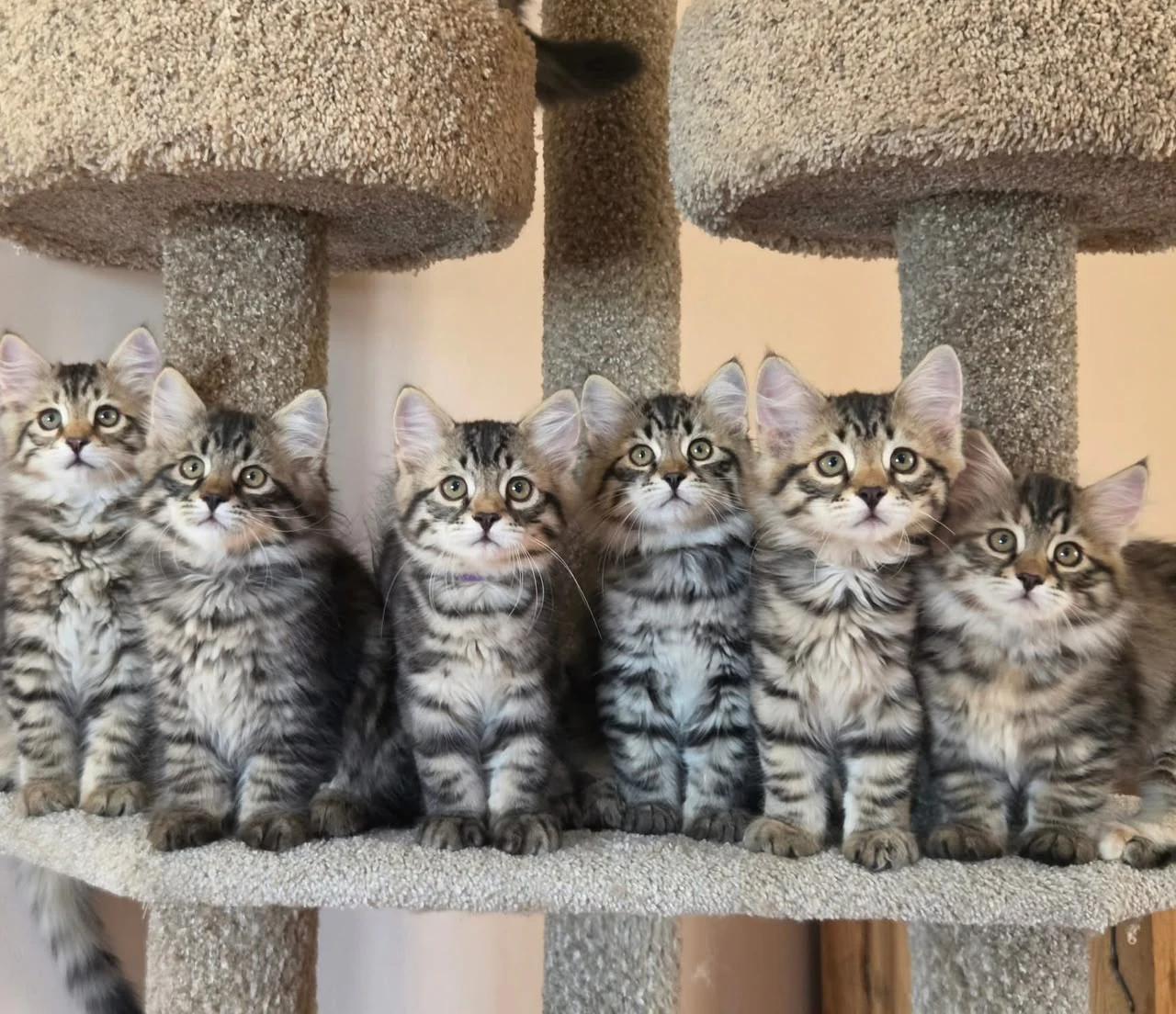
Six striped kittens sitting side by side on a carpeted cat-tree platform.

Complete Siberian Kitten Care Guide

Everything you need for a happy,
healthy beginning.

Practical preparation and helpful guidance for your kitten’s everyday life.

View Available Kittens
Proper NutritionPlan for healthy growth
Clean EnvironmentComfort and familiar routines
Regular Veterinary CareAn individual care plan
Love & EnrichmentConnection and daily play

Getting Ready for Life at Home

Alongside their veterinary care, our kittens are introduced to the routines they will take into their new homes.

  • Veterinary Visit

    A veterinary visit before placement.

  • Litter-Tray Habits

    Well-established litter-tray hygiene before homecoming.

  • Weekly Grooming

    Accustomed to a weekly grooming routine.

  • Everyday Socialization

    Socialized with people, dogs, and everyday household activities.

  • Early Training

    Introduced to avoiding counters and tabletops.

Preparing Your Home

Have the basics ready before homecoming: a quiet first space, a litter box, familiar food, and a scratching surface. Give your kitten time to settle.

Essential Supplies

  • An accessible litter box and familiar litter
  • Food and water bowls
  • The kitten’s familiar, complete food
  • A comfortable bed and cozy blankets
  • Scratching surfaces and climbing areas
  • Safe toys for supervised play
  • A secure carrier for travel and vet visits

Preparation guidance: Cornell Feline Health Center.

What Should Your Siberian Kitten Eat?

Choose food labeled complete and balanced for your kitten’s life stage. Ask which food the kitten already knows and discuss any changes with your veterinarian.

High-Quality Kitten Food

Check the nutritional adequacy statement and life stage.

Fresh, Clean Water

Keep drinking water available in clean bowls.

Gradual Food Transition

Discuss a comfortable transition from the kitten’s familiar food.

Nutrition guidance: Cornell’s Feeding Your Cat.

Planning a Feeding Routine

Meals and portions should reflect your kitten’s age, growth, and individual needs.

8–12 Weeks

Discuss suitable small, regular meals.

3–6 Months

Review portions as your kitten grows.

6–12 Months

Monitor growth and body condition.

1 Year+

Discuss the next life stage and diet.

Feeding frequency: Cornell’s individual feeding guidance.

Grooming Their Beautiful Coat

Make coat care a calm routine. Check for tangles and ask your veterinarian or groomer how to care for your individual kitten’s coat.

  • Introduce a suitable brush or comb gently
  • Pay attention to tangles and seasonal shedding
  • Ask for help with difficult mats
  • Learn safe nail care from a professional

Coat care reference: CFA’s Siberian profile.

Litter Box & Training

Ask which litter and tray your kitten already uses. Choose an accessible box, keep it clean, and place it in a quiet, easy-to-reach area.

  • Start with familiar litter where possible
  • Provide an easy-to-reach location
  • Keep the tray clean and accessible
  • Ask your veterinarian about persistent changes in habits

Your Kitten’s First Week Home

A thoughtful start helps you and your kitten get to know one another.

1

Settle In

Offer a quiet first space and time to explore.

2

Establish Routine

Keep familiar food, litter, and daily habits.

3

Build Trust

Be patient and let the kitten approach you.

4

Play & Socialize

Offer gentle, supervised interaction.

5

Vet Check

Arrange an individual care plan with your veterinarian.

Veterinary Care & Wellness

We recommend a veterinary examination within 72 hours of homecoming, or sooner if your kitten seems unwell. Bring the records we provide and plan ongoing care with your veterinarian. Read about veterinary care and the proposed health guarantee.

  • Arrange the first visit within 72 hours of homecoming
  • Review available veterinary records
  • Ask about preventive care
  • Contact your veterinarian with medical concerns

Play, Enrichment & Socialization

Make room for safe exploration, gentle interaction, and a comfortable place to rest.

  • Offer safe toys and scratching surfaces
  • Supervise play and introductions
  • Allow quiet time and retreat spaces
  • Learn the individual kitten’s preferences

Frequently Asked Questions

What is the best food for a Siberian kitten?

Choose a complete and balanced food for your kitten’s life stage, start with the food the kitten already knows, and discuss individual needs with your veterinarian.

How often should I brush my Siberian kitten?

Coat needs vary. Regularly check for tangles and ask for a suitable grooming routine for your kitten.

What type of litter is best?

Ask about the kitten’s familiar litter and tray. Keep the box clean and accessible, and discuss persistent toileting concerns with your veterinarian.

How do I help my kitten adjust to a new home?

Start with a quiet room, familiar food and litter, and a comfortable place to sleep. Give your kitten time to explore, and introduce people and other pets gradually.

When should I schedule the first vet visit?

We recommend a first veterinary examination within 72 hours of homecoming, or sooner if your kitten seems unwell. Bring the records we provide and review any requirements in your signed adoption agreement. Your kitten’s first veterinary visit.

Do Siberian kittens shed a lot?

Siberian coats change with the seasons. Learn the individual cat’s grooming needs and check regularly for tangles.

How can I keep my kitten entertained?

Provide safe toys, supervised play, scratching surfaces, and comfortable spaces to explore and rest.

What should I do if I have other pets?

Plan gradual, supervised introductions. Ask your veterinarian about individual precautions, particularly when health history is uncertain.

Ready to Welcome a Siberian Kitten?

Explore our kitten profiles and begin your adoption conversation.

View Available Kittens